
Professional Gopher Removal That Saves Your Yard - Guaranteed
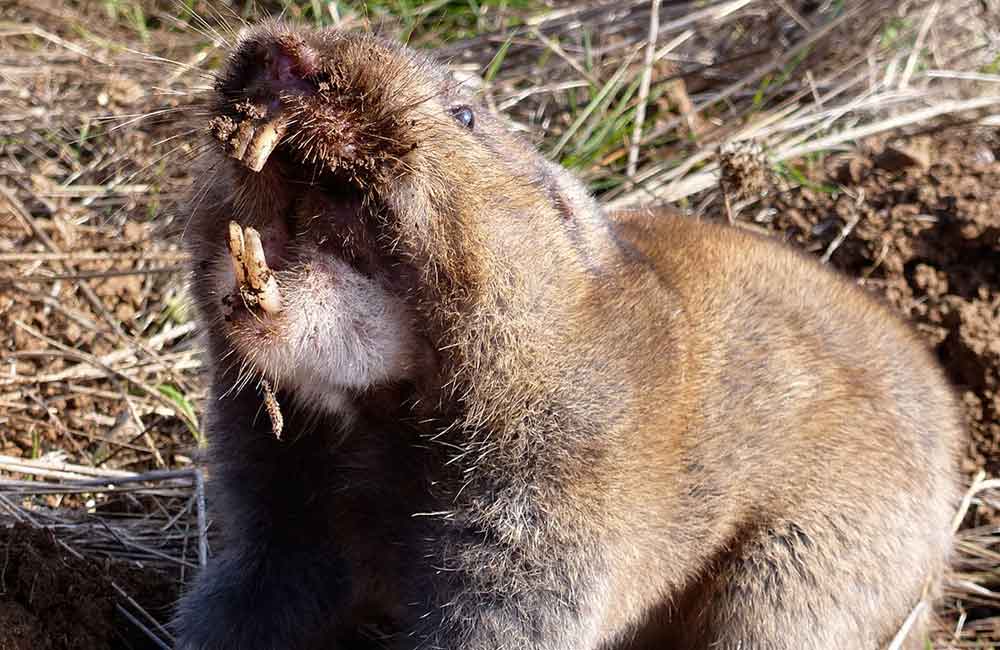
You invest time and money into your lawn and landscaping – but gophers can destroy it from beneath before you even realize what’s happening.
These burrowing pests tunnel through your yard, eat plant roots, and create soft, uneven ground that damages grass, irrigation, and walkways.
At Smith’s Pest Management, we help homeowners and businesses across the Bay Area and Central Coast, from Marin to Monterey, get rid of gophers quickly and prevent them from coming back.
Don’t wait – call now to schedule a FREE inspection!
Signs You’ve Got Gophers on Your Property
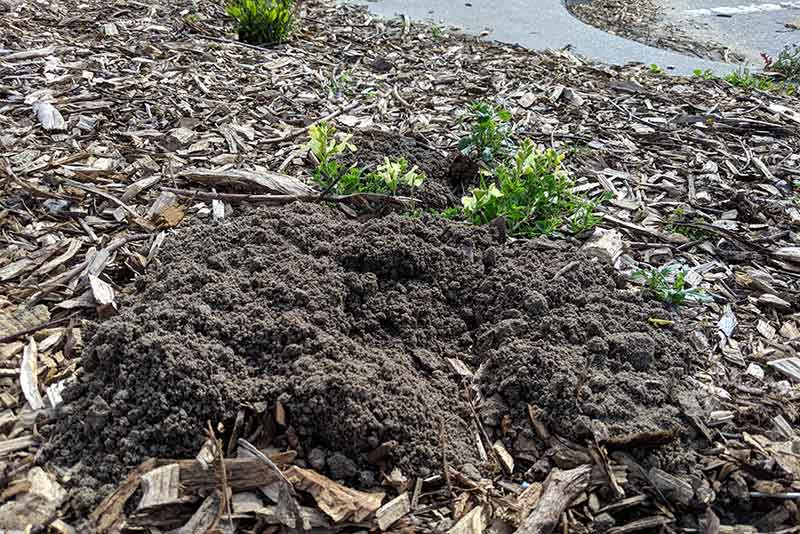
Fresh Dirt Mounds
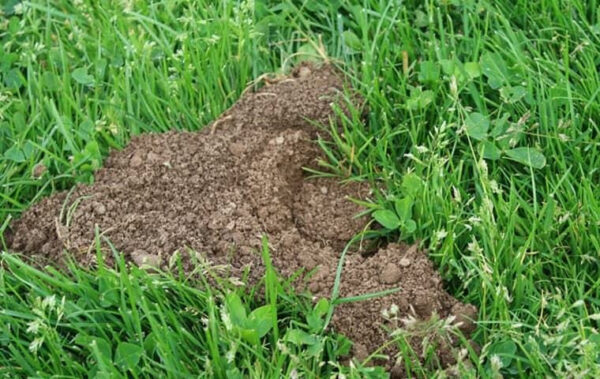
Gophers push soil to the surface as they dig, creating fan-shaped or crescent-shaped mounds.
These mounds often appear overnight and usually form in clusters across your lawn or garden.
Unlike moles, gopher mounds are offset to one side and made of fine, powdery soil.
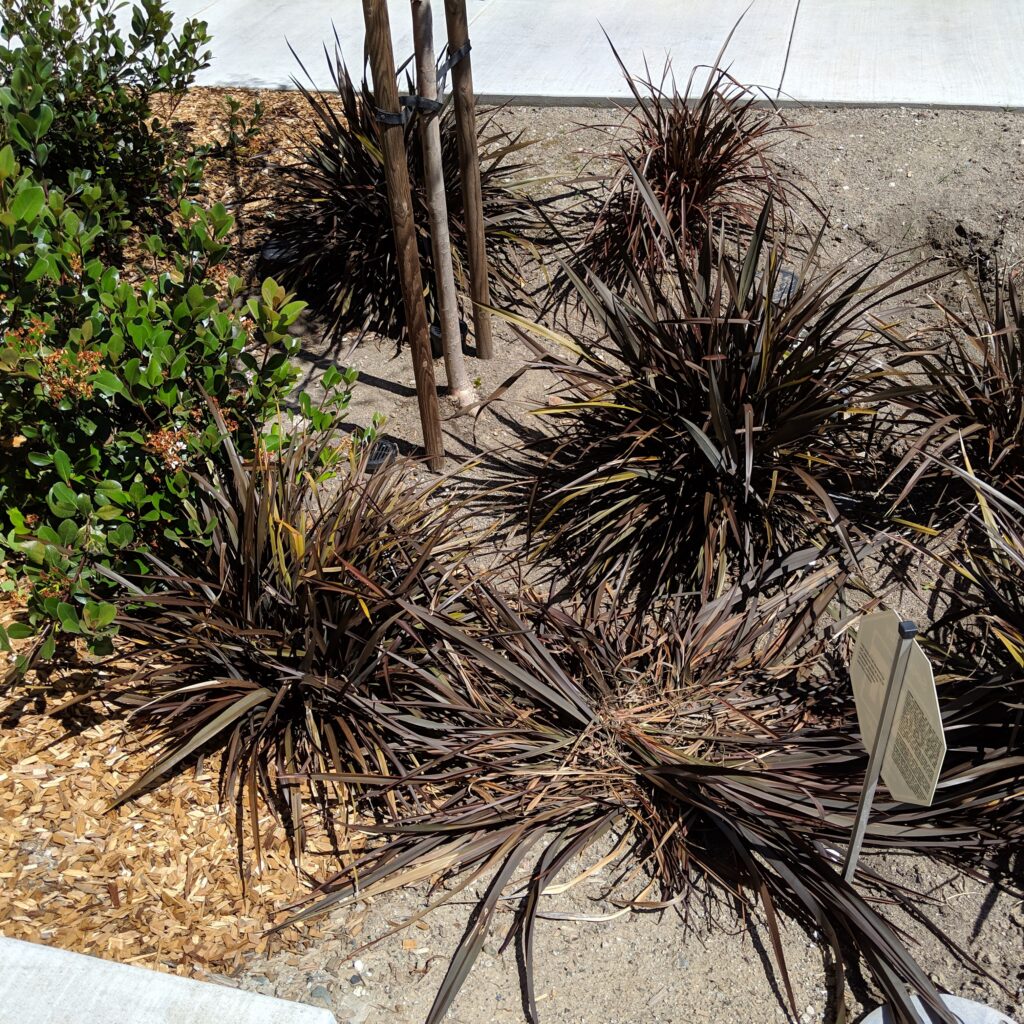
Plants Dying or Disappearing
Gophers feed on roots underground, causing plants to wilt, collapse, or disappear.
They don’t always leave visible dirt mounds. Sometimes they pack soil back into their tunnels instead of pushing it to the surface.
If you see dead patches or unexplained plant loss on your lawn, a gopher is likely active below the surface.
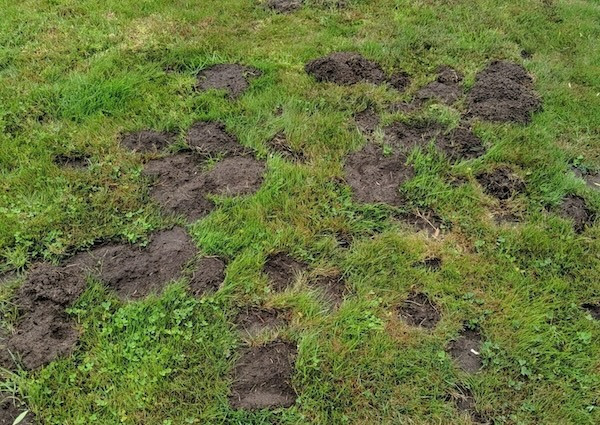
Soft, Uneven, or Sinking Soil
As gophers tunnel, they weaken the soil structure beneath your lawn.
Over time, tunnels collapse and create soft spots, dips, or uneven ground.
This doesn’t just look unsightly – it’s also a dangerous tripping hazard.
We’ve seen yards and fields become unsafe as tunnels collapse over time.
Smith’s Gopher Control & Removal Process
1
Inspect Your Yard for Tunnels
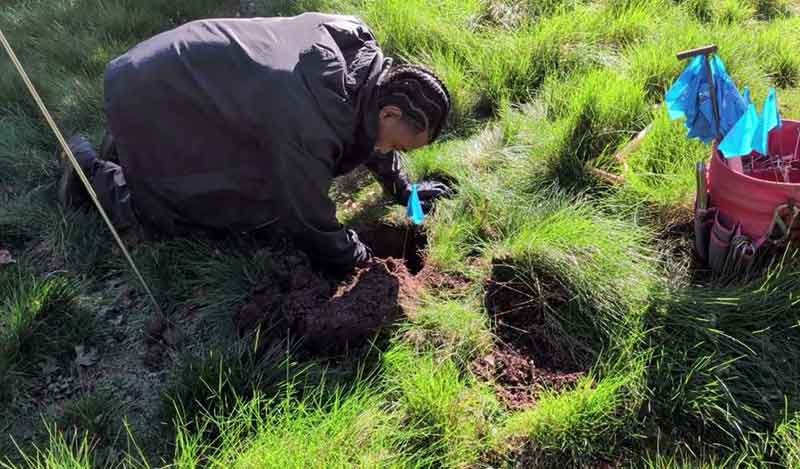
Gophers create shallow feeding tunnels near mounds, but those aren’t always the best place to trap.
We focus on finding the main tunnel system, not just surface activity.
Our licensed technicians:
- Probe the soil to locate deeper, active tunnels
- Avoid shallow “false” tunnels that lead nowhere
- Track patterns across the entire property
2
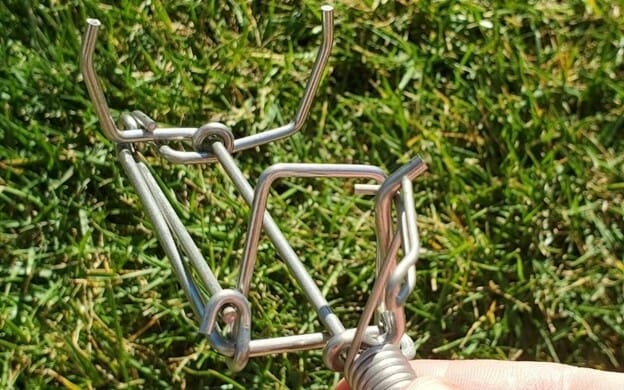
Set Professional-Grade Gopher Traps

When a trap is set incorrectly, the gopher can survive the encounter and learn to stay away from that tunnel.
We avoid this by placing traps correctly the first time.
Once we locate an active tunnel, we:
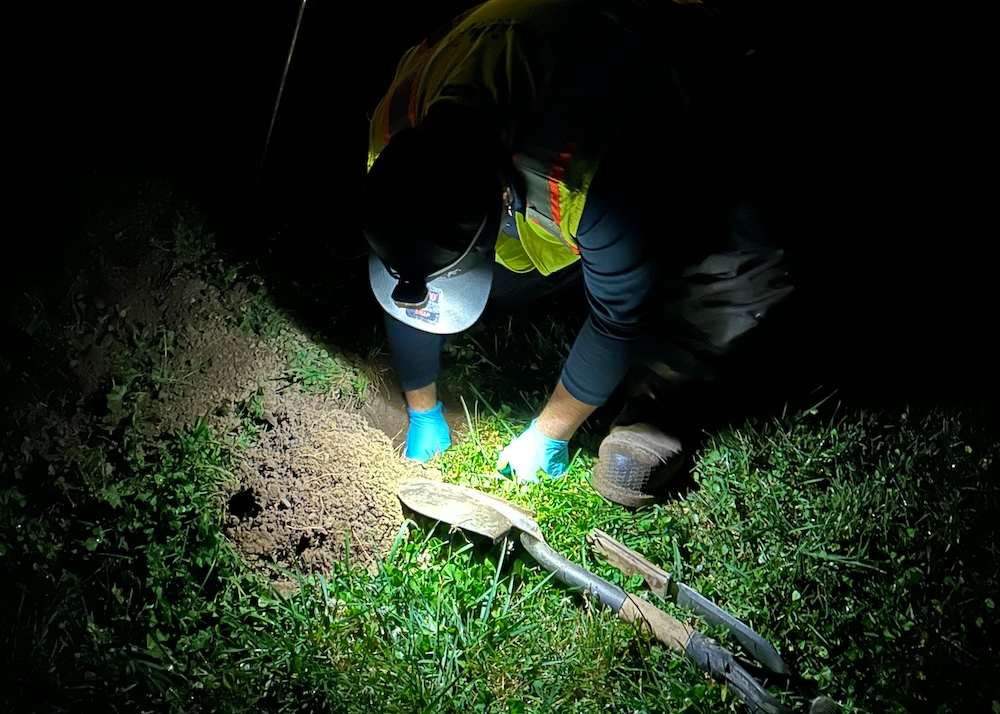
- Open the tunnel carefully without collapsing it
- Place commercial-grade stainless steel traps inside
- Position traps in both directions of travel
3
Monitor Traps & Remove Gophers
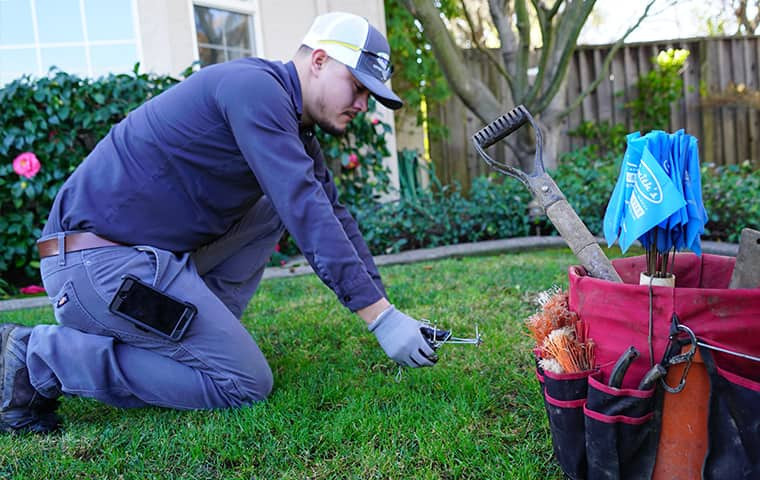
We track gopher activity on your property and adjust our approach until we’ve removed all gophers.
We return to your home or business to:
- Check traps
- Remove captured gophers
- Reset traps in active tunnels
- Adjust placement based on new activity
How We Keep Gophers From Coming Back
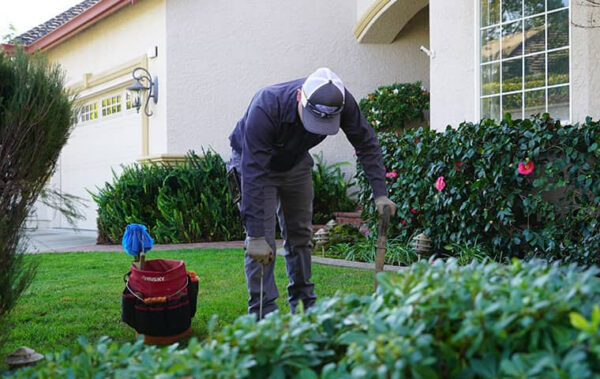
Ongoing Control Program
If your property has had a gopher infestation before, it’s likely the gophers will return at some point.
In the Bay Area, mild weather, year-round irrigation, and soft soil create ideal conditions for gophers to stay active and keep expanding their tunnel systems.
Gophers can also move into your yard from nearby parks, open spaces, and hillsides, so new gophers will continue entering the property even if you remove those that are currently active.
Our ongoing service:
- Monitors your property regularly
- Targets new activity early
- Stops small problems before they spread
This is the most effective way to protect your yard – and your landscaping investment – long-term.
Exclusion
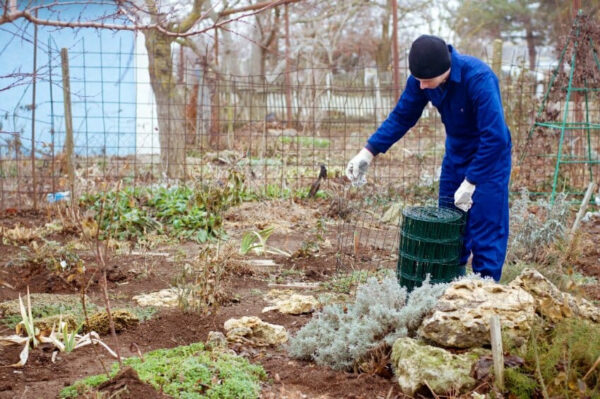
In high-value areas like garden beds or new lawns, we may recommend installing gopher fencing to physically block the burrowing pests out.
We use heavy-duty metal mesh designed specifically for gophers. The openings are small enough to stop them from squeezing through, and the material is durable so that it holds up underground.
We exclude gophers by:
- Burying the fencing at least 24 inches deep so gophers can’t dig under it
- Extending above ground so they can’t climb over it
- Installing the fencing around or beneath the area you want to protect
This won’t remove active gophers, but it helps protect specific areas when paired with trapping.
Success Story: How We Helped a San Jose Homeowner Get Rid of Gophers
A homeowner in Willow Glen recently called us after seeing new dirt mounds show up on their lawn almost every morning. Some plants were suddenly dying, and others looked like they had been pulled straight into the ground.
When we inspected the property, we found multiple shallow tunnels near the mounds, but those weren’t the main runs. After probing deeper, we located the active two-way tunnels the gophers were actually using to travel across the yard.
We set traps in the main tunnels. Within the first few visits, we started catching gophers. As activity shifted, we adjusted trap placement and continued targeting the active tunnels.
Like in most properties we treated, there was more than one gopher active on the property. New ones were moving in from nearby yards, so we kept monitoring and trapping consistently.
After a few weeks, the activity stopped. No new mounds, no plant loss, and the lawn started to recover once the tunnels were no longer active.
The homeowner chose ongoing service so we can catch new gophers early before the damage starts again.

What Our Customers Say
FAQ
Pocket gophers, commonly referred to simply as “gophers”, are burrowing creatures belonging to the rodent family, scientific name Geomyidae.
These rodents reach reproductive age at about one year old and can live up to 3 years in the wild.
At less than 10 inches in length, a pocket gopher isn’t much to look at. But that little animal can have a big impact on your property.
Gophers are some of the most common rodents in North America. The pocket gopher lives throughout the Great Plains, American West, and Southwest.
They love to live in areas with loose, sandy soil that’s easy to dig through and plenty of edible plant cover.
They’re common in crop fields, golf courses, and residential lawns.
Gophers are voracious eaters, and they have many favorite foods. Some of their primary food sources include roots, tubers, and aboveground plants. Their teeth are adapted to grind woody vegetation, which makes these rodents capable of eating even the fast-growing roots of the quaking aspen tree.
Regarding behavior, pocket gophers are solitary rodents that only come together in the summer and spring to breed. Mothers have one litter per year in non-irrigated areas and up to three litters per year in irrigated areas. Females give birth in underground nests, where they rear their young for several weeks before sending them out on their own.
California pocket gophers are often confused with other similar-looking mammals, such as moles, ground squirrels, rats, or chipmunks. They look like a long-tailed beaver with their buckteeth.
Most gophers are between six and ten inches long, and they have small eyes and ears that are barely visible. They get their name from the external fur-lined pockets in their cheeks, which they use like grocery bags to carry roots and other vegetative food.
Gophers have large-clawed front paws and strong front legs designed for digging. Their bodies are covered in fine, short fur that repels wet soil.
Gophers also have four large front teeth and can close their lips behind their teeth to keep dirt out of their mouths, even while using their teeth to help tunnel into the earth. They use their sensitive facial whiskers to help navigate the dark tunnels underground.
In their natural ecosystem, pocket gophers are actually beneficial to the ecosystem. They help aerate the soil and provide critical habitat for other animals.
When their numbers get out of control, or they take over residential areas, though, gophers can be destructive, problematic pests that cause extensive damage.
Pocket gophers can damage your lawn, eat the vegetables in your garden, damage the roots of your trees and flowers, eat the plants in your landscaping, and leave large, ugly mounds of dirt everywhere.
This can lead to expensive lawn care and landscaping bills. If they create holes in large fields where kids play, it can lead to an injury. If they tunnel underneath a foundation, they can cause cracks to form.
As they burrow underground, gophers can gnaw through water, irrigation, and utility lines. Their extensive tunnel networks can divert irrigation water and lead to soil erosion, while the mounds they create in yards can make it difficult to mow or maintain the area.
They spread ticks, fleas and other parasites. They can spread diseases. The list of problems pocket gophers can cause is quite long.
Need help determining if you have a gopher infestation? Look for these telltale signs:
1. Mounds
Fresh mounds of soil can signify the presence of a gopher. Gophers dig tunnels and push the loosened dirt to the surface, leaving horseshoe-shaped mounds of dirt on the ground.
There are rarely any visible signs of the hole since the loosened dirt fills back in around the tunneling gopher.
Gophers rarely come out of their holes, so if you think you see one hanging out above ground, you probably have a ground squirrel rather than a gopher.
2. Vegetation damage
You’ll know you have gophers if you notice damage to your grass, trees, plants, and flowers in addition to the mounds of dirt.
Remember that gophers usually attack plants from underground, as they feed safely from their tunnels.
Because of this, you’ll want to look for signs like discolored or dying plants or sudden, unexplained loss of crops.
When gophers feed above ground, you may notice signs like girdling on trees and noticeable bite marks on your plants and vegetables.
3. Damage to utility lines
Water line damage can also signify a gopher infestation. Look for gnawed sprinkler heads or malfunctioning utility lines.
Remember that once a gopher has settled into their underground tunnels, they will live there permanently until you take steps to get rid of them.
Gophers create fan-shaped dirt mounds and eat plant roots.
Moles create raised ridges and feed on insects, not plants.
If plants are disappearing or dying from below, it’s almost always gophers.
There is really no way to keep gophers out of your yard, but there are a few ways you can prevent gophers from damaging the plants on your property.
If you’re able to put flowers and other plants in raised plant boxes, that can keep gophers from getting a meal. If you’re able to put fencing around your garden or sensitive landscape vegetation, you may be able to keep gophers out if you install it at least two and a half feet under the ground to prevent gophers from tunneling under.
But these and other preventative measures usually fall short because they are impractical. You want your landscaping and plants to be arranged the way you want them to be. You may want them to be planted in the soil around your perimeter and you may not want fencing around them.
Property owners often turn to general pest control companies to get rid of gophers and end up getting less than ideal results.
This is because general pest control requires a different set of skills. A general pest control technician sees your yard as an ecosystem that needs to be controlled and they use pest control products to do it, products like poisoned baits. These just don’t work well with pocket gophers.
At Smith’s Pest Management, we specialize in the control of pocket gophers and we have developed methods that work to effectively control these and other ground-dwelling pests.
We start by discussing gopher control options and our pricing structure with you over the phone, so you know what you can expect when your trapper arrives.
Next, your property will be inspected by a trained and experienced trapper. The holes and damage on your property will be cataloged and assessed.
A small portion of tunnel holes will be exposed and traps will be placed inside. These traps will be protected by a cover and clearly marked.
A few days later, your trapper will check the traps and remove any gophers that are caught.
The trapper will return 3 to 5 times to make sure all gophers are removed from your property.
If requested, ongoing inspections and trapping services will be set in place to continue to protect you and your family and your property.
We know that trapping is not an ideal solution for some people or some situations. For this reason, we also use carbon monoxide for gopher removal. Carbon monoxide is heavier than air and it sinks down into deep tunnels and puts all the gophers into a deep sleep that they do not wake up from.
No.
Gophers establish tunnel systems and stay there.
Even if one leaves, another will move in, often from a nearby property.
Yes.
They stay active in all seasons.
You’ll usually see more surface activity in spring and fall, but they continue tunneling and feeding all year.
You can trap gophers yourself, but you need to find the right tunnel.
Most people set traps in shallow or inactive tunnels and never catch anything.
We use probing techniques and experience to locate the main runs where gophers actually travel.
In the Bay Area, gophers are drawn to well-watered lawns, landscaped yards, and garden beds.
Irrigation keeps the soil soft and easy to dig, while plant roots give them a steady food source year-round.
If you have healthy grass, regular watering, and active landscaping, your yard naturally becomes a prime spot for gophers to move in.
Many homeowners turn to repellents, noise devices, or store-bought bait, but these methods don’t solve the problem.
Repellents and sound devices don’t work, and gophers ignore low-grade bait because they have better food to eat.
You need to find the right tunnels, place traps correctly, and follow up consistently. That’s why many homeowners rely on a team that specializes in gopher control, like Smith’s.
Whether it’s plants, patios, pavers, or decks, gophers, moles, voles, ground squirrels and all their friends can quickly have you calling your landscaping pros to re-do it all over, typically this comes out to 25% of the original cost.
That’s where our Monthly Maintenance program provides 2 visits/month and we guarantee success in stopping these critters from destroying your landscaping investment. We take care of it all because they simply don’t magically disappear, they’re actually just busy having a party under your new pavers or decomposed granite. We preserve your outdoor landscape investment, preventing unwanted expenses from these pests’ damage.
Nancy G. - Atherton, CA
“For years I’ve raised all the produce in my garden that we eat in our home. One year we started having gopher problems. When I contacted a local pest control
company they wanted to use poison which we did not agree with. Smiths offered a non toxic and effective approach to getting rid of my gophers, moles, and rats.”
